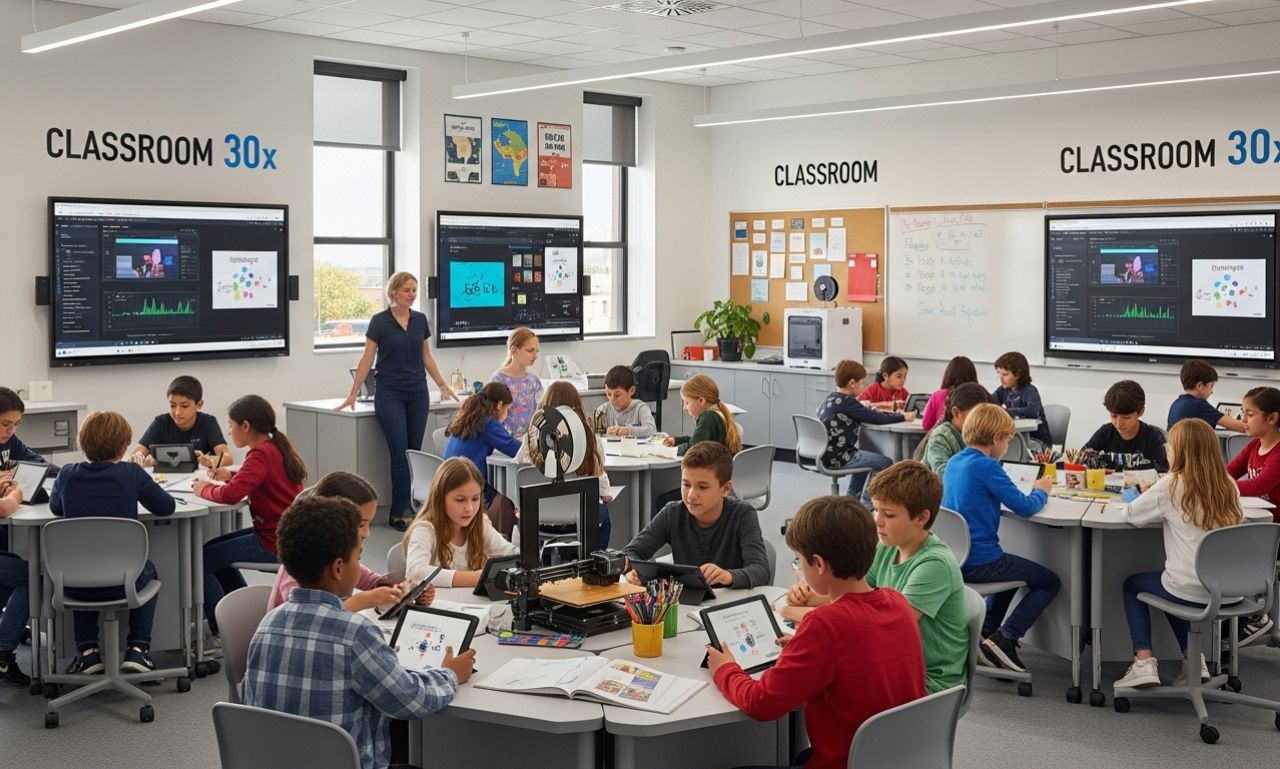
Education is rapidly evolving, and the traditional classroom setup is no longer sufficient to meet the demands of today’s learners. Enter Classroom 30x, a revolutionary approach that combines technology, pedagogy, and flexible learning spaces to create a dynamic environment designed for the 21st century student. From interactive lessons to personalized learning experiences, Classroom 30x promises to redefine the way education is delivered in schools and universities worldwide.
What is Classroom 30x?
At its core, Classroom 30x is a modern educational framework that integrates cutting-edge technology with student-centered teaching methods. Unlike conventional classrooms that rely heavily on lectures and static seating arrangements, Classroom 30x emphasizes flexibility, interactivity, and adaptability.
The concept is built on three pillars:
-
Technology Integration – Tools like smart boards, tablets, AR/VR simulations, and AI-driven learning platforms enhance engagement and understanding.
-
Flexible Learning Spaces – Modular furniture, collaborative seating arrangements, and multi-purpose zones allow students to learn in ways that suit their needs.
-
Personalized Instruction – Adaptive learning systems track progress and tailor lessons to individual student strengths and weaknesses.
This approach ensures that students are not passive recipients of knowledge but active participants in their learning journey.
History and Evolution of Classroom Models
The journey toward Classroom 30x began with the traditional lecture-based model, where teachers were the primary source of knowledge. Over time, the shift to digital classrooms introduced computers and projectors, enabling multimedia instruction. Hybrid learning further bridged physical and online education, paving the way for the immersive and interactive setups we see in Classroom 30x.
Why Classroom 30x Matters in 2026
As education technology advances, student engagement and learning outcomes increasingly depend on the learning environment. Classroom 30x addresses several challenges:
-
Enhanced Engagement: Interactive tools capture attention and encourage participation.
-
Improved Learning Outcomes: Personalized learning adapts to each student’s pace and style.
-
Teacher Efficiency: Automated assessments and analytics reduce administrative workload.
Key Features of Classroom 30x
Classroom 30x is distinguished by its innovative features, combining physical, digital, and pedagogical elements seamlessly.
Technology Integration
Modern classrooms leverage tools like AI tutors, AR/VR experiences, and collaborative software. For instance, virtual labs allow science students to conduct experiments safely, while AI-driven platforms provide instant feedback on assignments.
Flexible Learning Spaces
Furniture and room layouts in Classroom 30x are designed for versatility. Desks and chairs are modular, allowing quick reconfiguration for group projects, discussions, or independent work. Ergonomic furniture promotes comfort, which in turn enhances focus.
Personalized Learning
Adaptive learning platforms analyze student data to customize lessons. This ensures each learner receives content at the appropriate difficulty level, improving retention and motivation.
Benefits of Implementing Classroom 30x
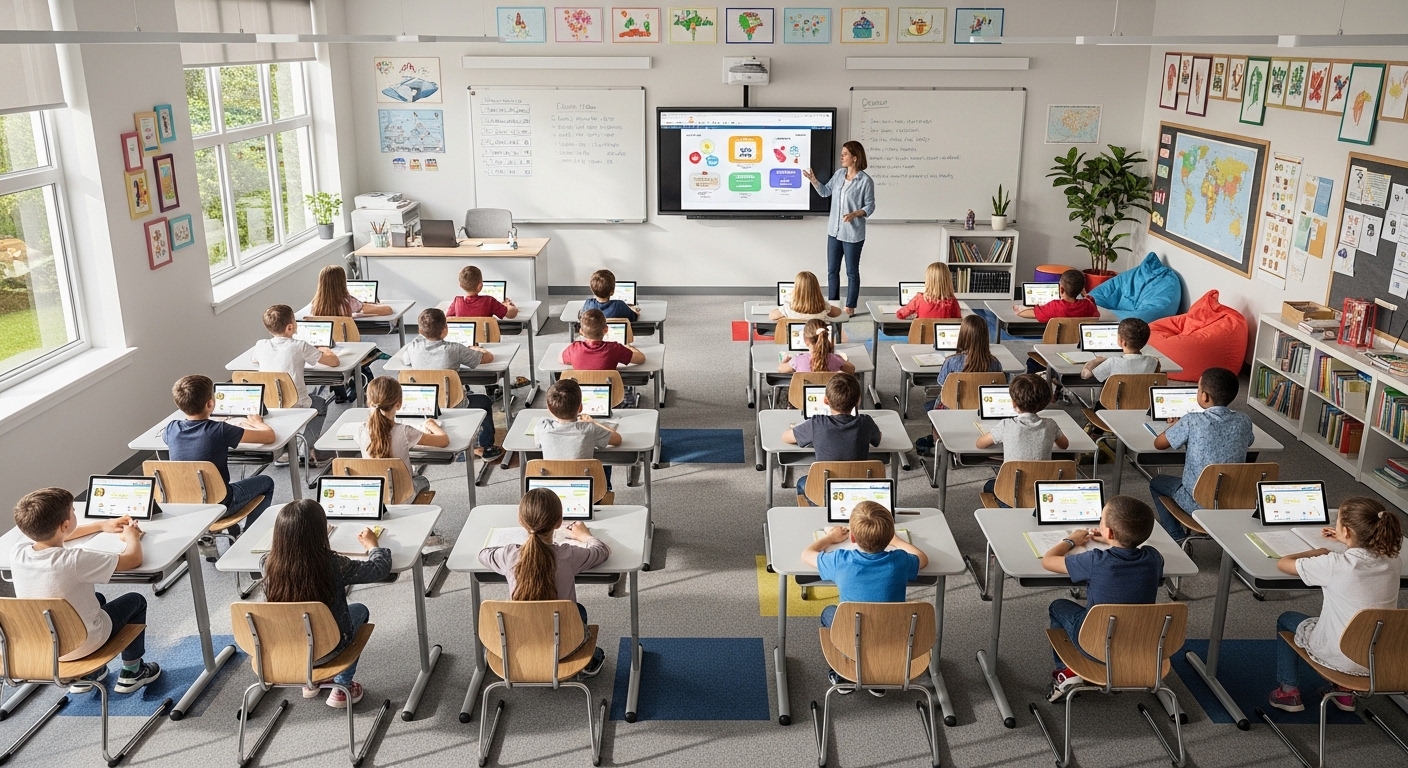
The advantages of adopting Classroom 30x extend beyond technological novelty.
For Students
-
Higher Engagement: Gamified lessons and interactive content make learning enjoyable.
-
Better Retention: Personalized pathways ensure students master concepts before moving forward.
-
Skill Development: Collaborative projects and technology use prepare students for modern workplaces.
For Teachers
-
Efficient Planning: Lesson planning software and analytics streamline workload.
-
Real-Time Feedback: Teachers can quickly identify struggling students and intervene early.
-
Professional Growth: Exposure to innovative tools enhances teaching skills and expertise.
Classroom 30x and Pedagogy
Modern pedagogy is at the heart of Classroom 30x. Educators adopt techniques that prioritize active learning, critical thinking, and creativity.
Active Learning Techniques
Classroom 30x encourages hands-on participation through group discussions, peer teaching, and problem-solving activities. This method moves away from rote memorization and fosters deeper understanding.
Technology-Enhanced Instruction
Gamification, multimedia content, and AI-driven analytics allow teachers to deliver lessons that are engaging, measurable, and adaptive. Students can explore simulations, interactive quizzes, and virtual field trips that make learning more immersive.
Challenges in Adopting Classroom 30x
Despite its benefits, implementing Classroom 30x comes with hurdles.
Overcoming Resistance
Teachers and administrators may resist change due to unfamiliarity. Gradual integration, pilot programs, and targeted professional development can ease the transition.
Infrastructure and Costs
Setting up a Classroom 30x requires investment in hardware, software, and training. Grants, partnerships, and phased implementation strategies can help schools manage costs effectively.
Case Studies of Successful Classroom 30x Implementation
Several schools and universities worldwide have embraced Classroom 30x with remarkable results. For example, institutions that integrated AI-assisted learning platforms report increased student engagement and higher test scores. Collaborative workspaces have also fostered creativity and innovation in project-based learning.
Future Trends in Classroom 30x
Looking ahead, Classroom 30x is likely to incorporate:
-
Advanced AI Tutors: Offering real-time guidance and feedback.
-
Immersive Learning: Using VR/AR for field trips and simulations.
-
Global Collaboration: Connecting classrooms across continents for cultural exchange and joint projects.
Tips for Teachers to Maximize Classroom 30x
-
Embrace technology gradually and integrate it into lessons thoughtfully.
-
Use data from adaptive learning platforms to tailor instruction.
-
Encourage student collaboration and active participation.
-
Keep classroom layouts flexible to support multiple learning activities.
-
Continually update skills through professional development programs.
Conclusion
Classroom 30x represents a transformative shift in education. By blending technology, flexibility, and personalized instruction, it creates a learning environment where students thrive, and teachers excel. As schools look toward 2026 and beyond, embracing Classroom 30x is not just an option—it’s a necessity for modern education.
FAQs About Classroom 30x
1. What is Classroom 30x?
Classroom 30x is an advanced, student-centered learning model that combines technology, flexible spaces, and personalized instruction to enhance engagement and learning outcomes.
2. How does Classroom 30x improve learning?
By integrating interactive tools, adaptive learning platforms, and collaborative setups, Classroom 30x ensures students learn at their own pace while actively engaging with content.
3. Is Classroom 30x expensive to implement?
Initial setup may require investment in hardware, software, and teacher training, but phased implementation and grants can make it cost-effective.
4. Can Classroom 30x work in traditional schools?
Yes. Even schools with conventional classrooms can gradually adopt flexible layouts, technology tools, and student-centered methods.
5. What technologies are used in Classroom 30x?
Common tools include smart boards, tablets, AR/VR simulations, AI tutoring software, and collaborative platforms.
6. What are the main challenges of Classroom 30x?
Challenges include teacher training, budget constraints, and adapting to new teaching methods. These can be mitigated through gradual adoption and professional development.
About the Author