Retirement opens a door to possibilities that many people never fully anticipated. Rather than a time to wind down, it can become one of the most physically fulfilling chapters a person ever experiences. With fewer work obligations, more free time, and a genuine appreciation for personal well-being, countless retirees are discovering that staying active is not only achievable but truly enjoyable. The real challenge is finding activities that match the body’s current capabilities while still delivering meaningful physical and mental rewards.
Why Staying Active Matters More Than Ever
The later stages of life bring real, natural changes to the body, including reduced muscle mass, declining bone density, and a slower metabolism. Consistent physical activity, however, can significantly slow these processes and improve overall quality of life in ways that might surprise you. Research consistently shows that older adults who stay active enjoy better cardiovascular health, sharper cognitive function, and more stable moods day to day. Regular movement also reduces the risk of chronic conditions like diabetes, osteoporosis, and hypertension. The goal here is not to compete or chase personal records, but simply to maintain a body that feels strong, capable, and comfortable through the years ahead.
Low-Impact Cardio Options for Everyday Movement
One of the best starting points for retirees is low-impact cardiovascular exercise, which offers real benefits without placing unnecessary stress on aging joints. Walking remains among the most accessible and effective options available, requiring no equipment and offering complete flexibility in pace and distance. Swimming and water aerobics are particularly excellent choices, since water’s natural buoyancy reduces joint strain while still engaging the entire body. Cycling, whether on a trail or a stationary bike, delivers a smooth and joint-friendly cardio session that fits easily into a daily routine. Each of these activities is sustainable over time, making them ideal for building the kind of consistent fitness habit that genuinely sticks.
Strength and Flexibility Training for Long-Term Wellness
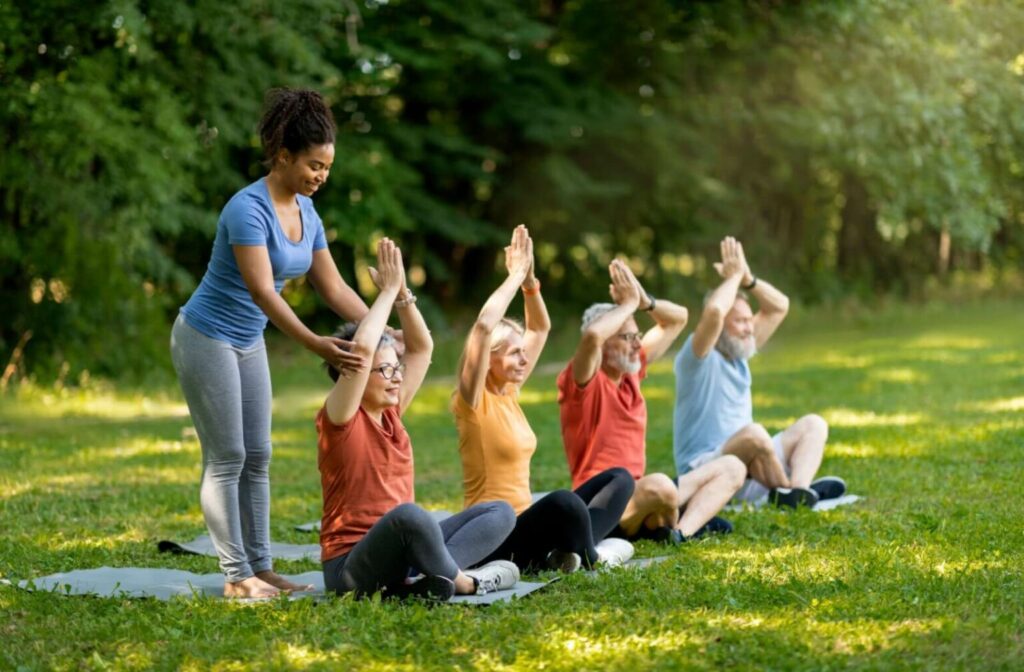
Strength training is something many retirees overlook, often assuming it belongs exclusively to younger athletes. In reality, resistance exercises are critical for preserving muscle mass and supporting joint health as the body ages. Light free weights, resistance bands, and bodyweight movements like chair squats or wall push-ups are all effective options that remain gentle on the body. Yoga and tai chi are also outstanding choices that weave strength, flexibility, and balance into a single, flowing practice. These disciplines are especially valued for their mindfulness components, helping to reduce stress and improve sleep quality alongside their physical benefits. For those pursuing retirement planning in Chandler and surrounding warm-climate communities, many local recreation centers and fitness studios offer specialized classes tailored specifically to older adults, making it easier to build both financial security and an active lifestyle at the same time.
Group Sports and Social Fitness Activities
Staying active does not have to be a solo pursuit, and for many people, it is far more enjoyable when it is not. Group activities introduce a social dimension to fitness that can benefit mental health just as much as it benefits the body. Pickleball has surged in popularity among retirees, offering a fun and competitive outlet that is noticeably gentler on the joints than traditional tennis. Golf provides a combination of light walking, hand-eye coordination, and fresh air that has made it a longtime favorite among older fitness enthusiasts.
Outdoor Activities That Feed the Body and Soul
Nature-based activities offer something that a gym simply cannot: a blend of physical challenge and genuine emotional restoration. Hiking on gentle or moderate trails strengthens the legs, sharpens balance, and connects participants to the natural world in a way that feels refreshing rather than exhausting. Gardening, though often underestimated, engages multiple muscle groups while providing a deeply rewarding sense of purpose and productivity. Kayaking and paddleboarding offer solid upper-body engagement against a calming, scenic backdrop that makes the effort feel almost effortless. Birdwatching paired with walking is another growing pastime that encourages steady mobility without overwhelming the body. These pursuits remind retirees that movement can feel like genuine adventure rather than a chore.
Conclusion
An active retirement is not about recapturing youth. It is about embracing where you are today and investing in the physical health that will carry you forward through each season of life. The activities available to older adults are far more varied, accessible, and enjoyable than many people initially realize. Whether the preference leans toward the quiet discipline of yoga, the social energy of pickleball, or the simple meditative rhythm of a morning walk, there is a fitness path that suits every lifestyle and comfort level. By choosing to stay active, retirees can experience greater independence, improved well-being, and a deeper sense of vitality in the years to come.