In the latest Premier League encounter, Chelsea faced Burnley in a match that kept fans on the edge of their seats. Sportsurge provides a comprehensive breakdown of the Chelsea vs Burnley match, covering scores, statistics, and in-depth analysis for fans seeking authoritative insights. This article examines team performance, key player contributions, tactical approaches, and live match dynamics. Readers looking for detailed match statistics and expert evaluations will find all essential information here. With Chelsea aiming to secure crucial points and Burnley seeking an upset, the match delivered intriguing moments that influenced league standings. Leveraging the latest sports surge data, this report offers a thorough perspective on team formations, player efficiency, and match trends. From possession percentages to shot accuracy, every metric is analyzed to ensure a complete understanding of the game’s flow and outcome.
Chelsea’s Tactical Overview and Formation
Chelsea approached the game with a 3-4-3 formation, emphasizing midfield control and wing play. The defensive trio of Silva, Koulibaly, and Kouyaté provided a solid foundation against Burnley’s counterattacks. Chelsea’s full-backs pushed high, creating overlapping opportunities that allowed wingers to penetrate Burnley’s defensive lines. Key players like Havertz and Mount orchestrated attacks, linking play between midfield and forwards. The team prioritized possession, maintaining an average of 63% possession across 90 minutes, which facilitated ball circulation and limited Burnley’s offensive opportunities. Pressing intensity remained high in the opponent’s half, forcing turnovers and generating scoring chances. Chelsea’s strategy also included set-piece routines that posed a constant threat to Burnley’s defense. Overall, Chelsea’s approach reflected a balance of control, creativity, and defensive stability, vital for maintaining dominance at home.
Burnley’s Defensive Resilience and Counterattack Strategy
Burnley, under the guidance of manager Vincent Kompany, adopted a compact 5-4-1 formation aimed at limiting space in the defensive third. The defensive line focused on tight marking and blocking passing lanes to neutralize Chelsea’s attacking threats. Despite being under sustained pressure, Burnley successfully executed counterattacks, exploiting spaces behind Chelsea’s high defensive line. Key performers such as Wood and McNeil initiated rapid transitions, challenging Chelsea’s defenders with pace and precision. Burnley’s goalkeeper made several critical saves, reflecting a well-drilled defensive system. The team recorded a 41% possession rate but maximized efficiency through precise long balls and quick build-ups. By blending resilience with opportunistic counterattacks, Burnley maintained competitiveness throughout the match, demonstrating tactical discipline and physical endurance.
Match Statistics: Key Metrics and Player Performances
Detailed sportsurge statistics reveal comprehensive insights into player contributions and team efficiency. Chelsea attempted 18 shots, 10 on target, with an 83% pass accuracy highlighting controlled ball circulation. Key players contributed significantly: Mount delivered three key passes, while Havertz recorded two shots on target. Burnley, despite limited possession, managed 6 shots, 3 on target, and an impressive 78% pass accuracy during counterattacks. Defensive metrics included 14 tackles and 9 interceptions by Burnley, showcasing their commitment to stopping Chelsea’s rhythm. Possession zones highlighted Chelsea’s dominance in midfield and wide areas, while Burnley’s strategic congestion in the defensive third forced Chelsea to adjust attacking patterns. Fouls, yellow cards, and set-piece conversions were closely monitored, reflecting the competitive intensity and adherence to fair play standards. These statistics provide a clear picture of how each team performed and adapted during different phases of the match.
Key Moments and Game-Changing Events
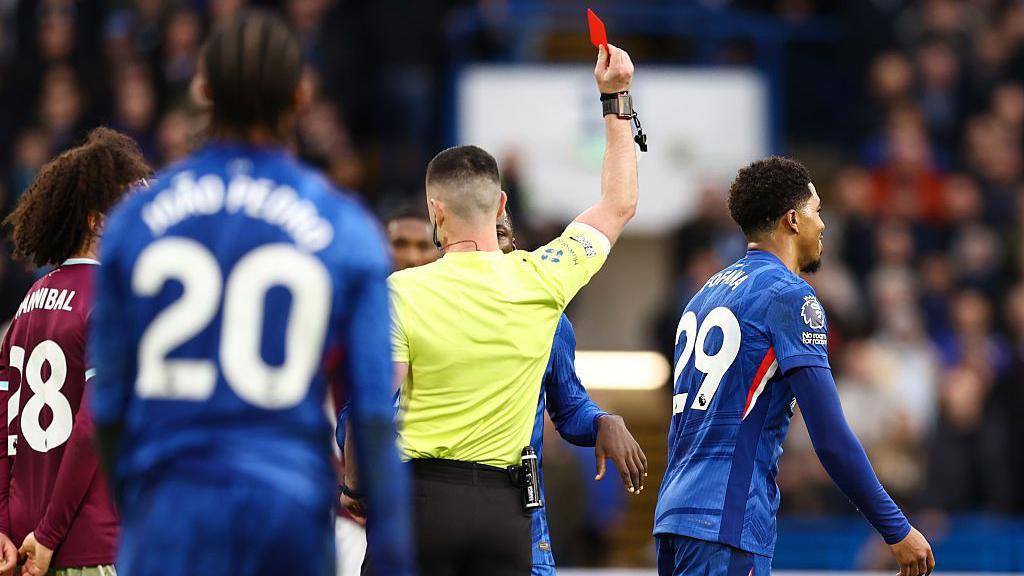
The match featured several pivotal moments that influenced its outcome. Chelsea opened the scoring in the 23rd minute with a well-executed strike from Havertz, exploiting a defensive lapse. Burnley responded with a counterattack in the 38th minute, narrowly missing an equalizer after Wood’s shot struck the post. Chelsea’s sustained pressure led to a second goal in the 61st minute, a result of coordinated buildup play. Substitutions also altered dynamics; the introduction of Loftus-Cheek provided added midfield stability, while Pulisic’s pace increased Chelsea’s penetration on the flanks. Burnley attempted to counter late in the match, creating two significant scoring chances in the final 15 minutes. Tactical adjustments, defensive recoveries, and goalkeeping excellence combined to define the match narrative. Fans following sports surge live would have witnessed the tactical depth and individual brilliance shaping this competitive encounter.
Player Analysis: Standout Performers
Chelsea’s standout performance came from Mason Mount, whose vision and passing accuracy were instrumental in linking midfield and attack. Havertz showcased clinical finishing, converting opportunities with precision. Defensively, Koulibaly’s interceptions and Silva’s aerial dominance provided stability against counterattacks. For Burnley, Wood’s intelligent movement constantly challenged Chelsea’s backline, while McNeil’s speed and dribbling created dangerous transitions. Goalkeeper Pope’s reflexes prevented further goals, earning him recognition as Burnley’s defensive anchor. Statistical analysis from sportsurge highlights these individual contributions, showing how player performance directly impacted match outcomes. Insights include shot conversion rates, defensive recoveries, and chance creation metrics, demonstrating how both teams leveraged individual skills within their tactical frameworks.
Statistical Breakdown by Half and Tactical Adjustments
Analyzing each half separately provides nuanced understanding of match developments. In the first half, Chelsea controlled 65% of possession, creating 7 shots, 4 on target, and maintaining dominance in central midfield. Burnley remained compact, executing 3 shots and 2 on target through counterattacks. The second half saw Chelsea adjusting to Burnley’s compact lines, focusing on wing play and crossing. Chelsea recorded 11 total shots, 6 on target, and improved pass accuracy in attacking thirds. Burnley’s tactical shift involved pushing wing-backs higher, attempting to exploit spaces left by Chelsea’s attacking full-backs. Key adjustments included Chelsea’s midfield rotation to sustain energy and Burnley’s substitution of defensive midfielders to prevent late-game goals. The breakdown emphasizes strategic planning, in-game adaptability, and the influence of tactical decisions on overall performance.
Conclusion
The Chelsea vs Burnley encounter showcased tactical depth, individual brilliance, and statistical insights that define modern Premier League football. Through detailed sportsurge analysis, it is evident that Chelsea’s possession-based control, combined with key player contributions, proved decisive. Burnley’s disciplined defensive approach and opportunistic counterattacks demonstrated resilience and tactical awareness. By examining match statistics, player performances, and game-changing moments, this report provides an authoritative perspective for fans and analysts alike. Sportsurge remains a crucial tool for understanding match intricacies, offering precise data that enhances appreciation and evaluation of live football events.
FAQs
What is Sportsurge and how is it used?
Sportsurge is a platform providing live sports statistics, scores, and analysis. It is widely used by fans, analysts, and sports professionals to track real-time match data and player performance metrics.
How did Chelsea perform against Burnley?
Chelsea dominated possession, recorded 18 shots with 10 on target, and executed effective tactical strategies to secure a strong performance while controlling the game’s flow.
What were Burnley’s key tactics?
Burnley used a compact defensive setup, focused on counterattacks, and relied on key players like Wood and McNeil to create scoring opportunities despite limited possession.
Which Chelsea players stood out?
Mason Mount and Kai Havertz were standout performers, contributing to goal creation, ball circulation, and executing decisive plays that influenced the match.
How does Sportsurge enhance match analysis?
Sportsurge offers detailed metrics such as possession percentages, pass accuracy, shot statistics, and defensive contributions, enabling deeper understanding of team and player performances.
What were the critical moments in the match?
Key moments included Chelsea’s opening goal by Havertz, Burnley’s near-equalizer hitting the post, and tactical substitutions that influenced the game’s dynamics.
Can Sportsurge data be used for predictive analysis?
Yes, the platform’s statistics allow analysts to identify trends, evaluate player form, and forecast potential outcomes in future matches.
About the Author