Introduction
Aquatic sports and activities offer a unique blend of excitement, relaxation, and physical challenge. From competitive swimming to recreational kayaking, these pursuits demand a wide range of physical abilities that often go unnoticed by casual observers. While the water may appear calm and forgiving, it introduces resistance, instability, and environmental variables that require participants to be well-conditioned and adaptable. Understanding the physicality involved in aquatic activities not only enhances performance but also promotes safety and long-term enjoyment.
Strength as the Foundation of Movement
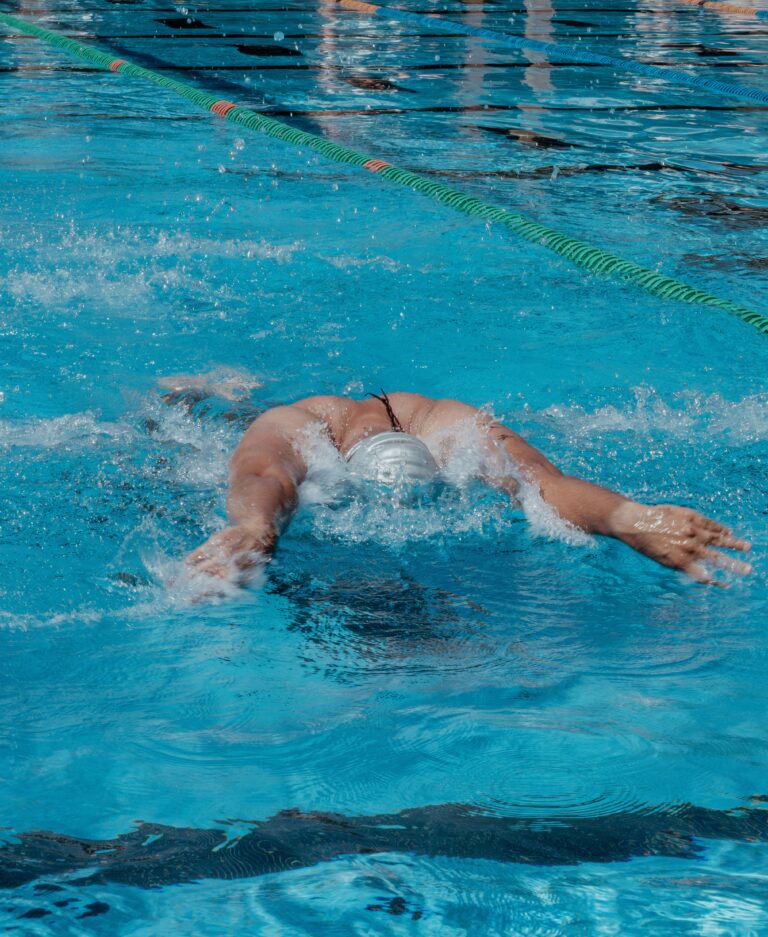
Strength plays a critical role in nearly every aquatic sport. Whether propelling a body through water or maintaining control over equipment, muscular power is essential. Upper body strength is often emphasized, particularly in swimming, rowing, and paddleboarding, where arms, shoulders, and back muscles generate forward motion. However, lower body strength is equally important. Kicking techniques, balance, and stability all depend heavily on leg muscles and core engagement.
Water itself provides constant resistance, which means each movement requires more effort than it would on land. This resistance can be beneficial, offering a natural form of strength training. Over time, consistent participation in aquatic activities builds lean muscle and improves overall functional strength. Athletes who excel in these environments typically develop balanced musculature, ensuring that no area of the body is overworked or neglected.
Endurance and Cardiovascular Fitness
Endurance is another key component of aquatic performance. Many water-based activities demand continuous movement over extended periods, making cardiovascular fitness a necessity. Swimming laps, for example, requires sustained breathing control and efficient energy use, while activities like surfing or snorkeling can involve long periods of paddling or swimming against currents.
The cardiovascular demands are amplified by the water environment, which cools the body and can mask fatigue. As a result, participants may push themselves longer without realizing their limits. This makes it essential to build endurance gradually, allowing the heart and lungs to adapt to increased workloads. Improved stamina enhances performance and reduces the risk of exhaustion, ensuring that participants can enjoy their activities safely.
Flexibility and Range of Motion
Flexibility often goes overlooked, yet it plays a vital role in aquatic sports. Efficient movement in water requires a full range of motion, particularly in the shoulders, hips, and ankles. Swimmers benefit from flexible shoulders that allow for smooth, powerful strokes, while divers and synchronized swimmers rely on exceptional flexibility for precision and form.
Water can be both forgiving and demanding in this regard. On one hand, it reduces impact on joints, making it easier to stretch and move freely. On the other hand, limited flexibility can lead to inefficient movement patterns and increased strain on muscles. Incorporating regular stretching routines helps maintain mobility, improves technique, and reduces the likelihood of injury.
Balance and Coordination in a Dynamic Environment
Unlike land-based activities, aquatic sports constantly challenge balance and coordination. Water is inherently unstable, which means participants must continuously adjust their bodies to maintain control. This is especially true for activities like surfing, wakeboarding, and kayaking, where even minor shifts in weight can significantly impact performance.
Coordination is equally important, as many aquatic activities require synchronized movements between different parts of the body. Swimming techniques, for example, depend on the seamless integration of arm strokes, leg kicks, and breathing patterns. Developing strong neuromuscular connections helps athletes react quickly to changing conditions and maintain efficiency in their movements.
Even recreational activities demand a certain level of fitness. A Culebra snorkeling tour would require strong lung capacity, managing breathing equipment, and maintaining awareness of one’s surroundings. These skills enhance both safety and enjoyment, allowing participants to fully engage with the experience.
Mental Resilience and Physical Awareness
While physical attributes are crucial, mental resilience and body awareness are equally important in aquatic environments. Water introduces variables such as currents, waves, and visibility changes that require quick adaptation. Staying calm under these conditions helps conserve energy and maintain control.
Physical awareness, or proprioception, allows individuals to understand their body’s position and movement in space. This is especially valuable in water, where traditional points of reference are limited. Athletes who develop strong body awareness can adjust their techniques more effectively, improving efficiency and reducing unnecessary effort.
Mental focus also plays a role in endurance and safety. Recognizing signs of fatigue, dehydration, or muscle strain allows participants to make informed decisions and avoid overexertion. This combination of mental and physical awareness is what often separates experienced individuals from beginners.
Conclusion
Aquatic sports and activities offer a rewarding way to build strength, endurance, flexibility, and coordination. The unique challenges presented by water environments require a well-rounded level of physical fitness, supported by mental resilience and awareness. By understanding and developing these qualities, individuals can enhance their performance, reduce the risk of injury, and fully enjoy the diverse experiences that aquatic activities have to offer.
About the Author