The connection between physical activity and mental health is becoming increasingly recognized in both scientific research and everyday wellness practices. While exercise is often associated with physical fitness and weight management, its impact on cognitive health and emotional stability is just as significant. Engaging in regular physical activity can play a key role in preventing long-term mental conditions, including anxiety disorders, depression, and cognitive decline. By understanding which types of movement are most beneficial, individuals can take proactive steps toward maintaining both their mental and physical well-being.
Aerobic Exercise and Brain Function
Aerobic activities such as walking, running, cycling, and swimming are among the most effective forms of exercise for supporting mental health. These activities increase heart rate and improve blood flow, which helps deliver oxygen and nutrients to the brain. This process supports the growth of new neural connections and enhances overall brain function.
Regular aerobic exercise has been linked to improved memory, sharper focus, and reduced symptoms of depression. It also stimulates the release of endorphins, which are chemicals that naturally elevate mood. Over time, these benefits contribute to a lower risk of developing long-term mental conditions.
Consistency is key when it comes to aerobic activity. Even moderate exercise performed several times a week can have lasting effects. The goal is to establish a routine that feels manageable and sustainable, rather than overwhelming or inconsistent.
Strength Training and Emotional Stability
While aerobic exercise often gets the most attention, strength training is another valuable component of mental health prevention. Activities such as weightlifting, resistance band workouts, or bodyweight exercises help build muscle while also supporting emotional balance.
Strength training encourages discipline and goal-setting, which can have a positive impact on self-esteem. As individuals track their progress and notice improvements, they often experience a sense of accomplishment. This boost in confidence can help counter feelings of anxiety or low mood.
Additionally, resistance training has been shown to reduce stress levels by regulating hormones associated with tension and fatigue. Incorporating strength-based exercises into a weekly routine provides both physical and psychological benefits that support long-term wellness.
Mind-Body Practices for Stress Reduction
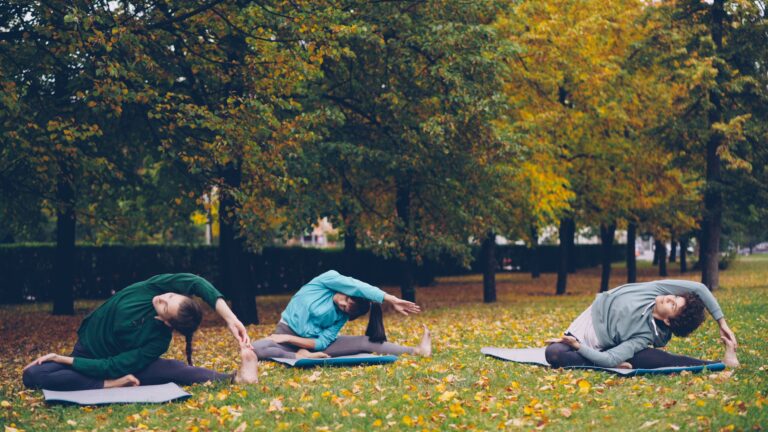
Mind-body exercises, including yoga, tai chi, and Pilates, focus on the connection between movement, breathing, and mental awareness. These practices are particularly effective at reducing stress and promoting relaxation.
Unlike high-intensity workouts, mind-body activities emphasize slow, controlled movements and intentional breathing. This approach helps calm the nervous system and encourages mindfulness. Over time, these practices can improve emotional regulation and reduce the risk of chronic stress-related mental conditions.
Many individuals find that incorporating mindfulness into physical activity creates a more balanced approach to health. It allows them to not only strengthen their bodies but also gain greater control over their thoughts and emotions.
For those interested in learning more about cognitive health, resources like a dementia podcast can provide valuable insights into how lifestyle choices, including exercise, influence long-term brain function. Combining education with practice helps reinforce healthy habits.
Outdoor Activities and Social Engagement
Spending time outdoors adds another layer of benefit to physical activity. Activities such as hiking, gardening, or even walking in a park expose individuals to natural environments, which can have a calming effect on the mind.
Nature-based exercise has been associated with lower levels of stress and improved mood. The combination of fresh air, sunlight, and physical movement creates a powerful environment for mental restoration. This is especially important in preventing conditions linked to chronic stress and burnout.
Social engagement also plays a role. Participating in group activities like sports, fitness classes, or walking clubs can foster a sense of community. These interactions help reduce feelings of isolation, which is a key factor in many long-term mental health conditions. Physical activity becomes not just a personal habit, but a shared experience that strengthens both mental and social well-being.
Creating Sustainable Habits for Long-Term Benefits
Preventing long-term mental conditions requires consistency and a focus on sustainable habits. It is not about short bursts of intense activity, but rather about integrating movement into daily life in a way that feels natural and enjoyable.
Setting realistic goals is an important first step. Individuals should choose activities that align with their interests and physical abilities. This increases the likelihood of maintaining the routine over time. Variety can also help keep motivation high, as rotating between different types of exercise prevents boredom.
Tracking progress, whether through journaling or digital tools, can provide a sense of accountability and achievement. Small milestones add up, reinforcing the positive impact of regular physical activity. Over time, these habits become part of a lifestyle that supports both mental clarity and emotional resilience.
Conclusion
Physical activity plays a crucial role in preventing long-term mental conditions by supporting brain function, reducing stress, and promoting emotional stability. From aerobic exercise and strength training to mind-body practices and outdoor activities, each form of movement offers unique benefits that contribute to overall mental well-being. By building consistent and sustainable habits, individuals can take meaningful steps toward protecting their psychological health. In a world where mental health challenges are increasingly common, incorporating regular physical activity into daily life remains one of the most effective and accessible strategies for long-term wellness.
About the Author